
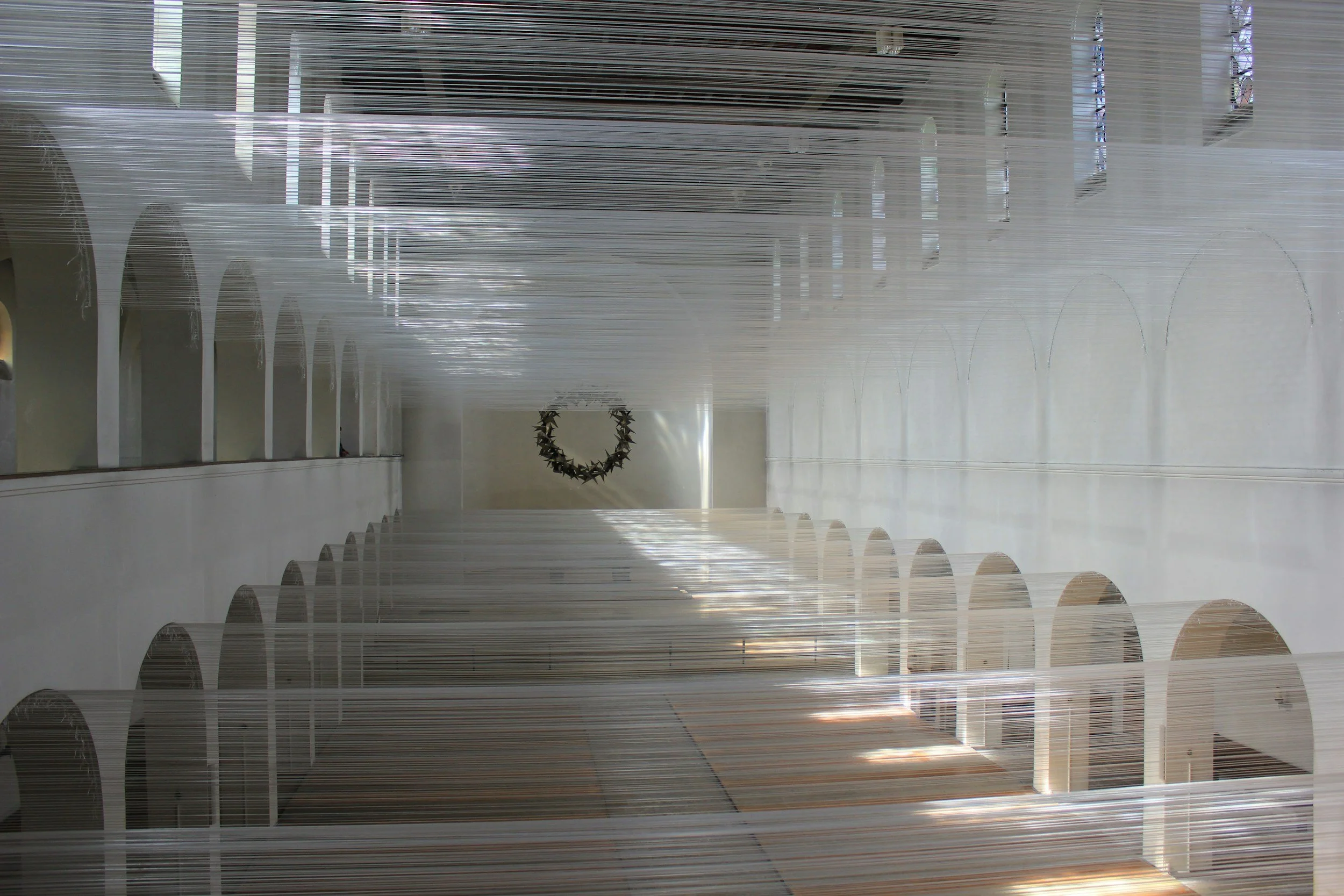
Installation-based, site-specific, media, and conceptual works challenge traditional assumptions about what constitutes an artwork and what is being insured. Basic insurance models assume that an artwork is a discrete, stable object. Many conceptual or multimedia works as well as (site-specific) installations do not fit this model. They often exist as a set of instructions, technical components, spatial relationships and rights rather than as a single physical object. The insured value and identity of the work may reside primarily in the concept and the authorisation to realise it, not in the materials themselves. This brings with it several key technical and insurance considerations relevant to collectors, insurers, and institutions responsible for such works.
The first task in insuring such works is defining what constitutes the “work”? In installation-based and media works but also conceptual art, the artwork may consist of several layers including physical components (monitors, projectors, custom structures, printed elements), digital components (video files, software, code, storage media), spatial configuration (placement, scale, lighting conditions), installation instructions and certificates, artist authorization and intellectual property rights.
Conceptual art highlights most clearly the distinction between material and artistic value. In many cases, the physical manifestation of the work is of secondary importance. The primary asset is the certificate of authenticity and the associated instructions and authorisation. The physical components may be inexpensive or easily replaced (Jannis Kounellis) but without proper documentation, the work cannot be legitimately realised. Loss of a certificate may therefore represent a total loss, regardless of the continued existence of the physical elements. Insurance coverage must treat documentation not as ancillary material but as a core component of the insured work. Understanding the distinction between physical components and conceptual identity is essential. In many cases, the material elements are replaceable; the defining elements are the instructions, authorization and artist intent. Insurance must therefore be structured around preserving the continuity and authenticity of the work not merely its physical parts.
Similarly, installation-based works depend heavily on precise installation instructions. These instructions may include detailed diagrams, equipment specifications, calibration parameters and environmental requirements. They function not merely as technical guidance but as part of the artwork itself. Improper installation can compromise the authenticity of the work and in some cases its market value. Reinstallation after transport or storage may require artist or studio supervision, specialised technicians, and fabrication of custom elements. These associated costs often exceed the replacement cost of individual components and must be considered within insurance coverage.
In both instances, the valuation of such works can obviously not be on material replacement cost alone. The market value reflects the artist’s reputation, the work’s conceptual significance, its edition status, exhibition history and provenance. The cost of replacing monitors, projectors or structural materials bears little relation to the value of the authorised work. Agreed value policies are therefore more appropriate than replacement cost models, as they reflect the actual insurable interest.
Site-specific works present a distinct set of challenges because their identity is inseparable from their location which is an intrinsic component of the artwork and not incidental. These works are created for a particular architectural, environmental or spatial context. Their scale, proportions, lighting conditions and physical integration with the site form part of their meaning and structure. If the site is altered, demolished or rendered inaccessible, the work may be considered partially or wholly lost, even if its physical components remain intact. Permanent light installations integrated into architecture, sculptural interventions designed for specific spatial proportions or environmental works calibtated to a geographic setting may be destroyed through relocation by transforming the work into something different altogether. In such cases, loss occurs not through material destruction but through the loss of the spatial conditions that define the work. A wall drawing by Sol LeWitt or a room in a space created by Daniel Buren must include the artists intention that define the work in its location beyond the physical manifestation. In some instances the work can be erased or disassembled and reinstalled elsewhere without destroying the artwork, provided it is executed according to the artist’s specifications. In these instances an insurance policy would clarify whether coverage applies to the work in situ only and whether deinstallation and relocation are permitted. If this has not been specified by the artist, it can be difficult to determine retroactively whether a work can be meaningfully relocated or if total loss may occur.
Media and digital works introduce risks associated with technological change with key vulnerabilities being hardware dependency and obsolecence. Works by artists such as Nam June Paik may involve legacy monitors, propietary playback systems, custom hardware interfaces or specific display technologies that are replaceable – though not easily. Digital works also depend on file formats, code libraries, operating systems and storage media, with issues such as file corruption or incompatibility posing potential risks. Other loss scenarios include storage devide failure and improper backup procedures. Conservation may involve migration to newer formats. And while the actual media content, configuration and artist intent remain the essential components, alterations to the presentation can cause controversy. From an insurance perspective, recognizing migration as legitimate preservation rather than an alteration is helpful, but not worth much if the artist of estate are not on board and a substition affects authenticity and value. Furthermore, there neads to be a precice record of what the artwork includes: the physical components, the digital content, the certificate, the installation rights or the complete conceptual framework.
The risk profile of installation-based, site-specific, media and conceptual works differs fundamentally from that of traditional artworks. Physical damage remains a concern, particularly during transport and installation, but technical failure, documentation loss, and technological obsolescence represent equally significant risks. In some cases, loss occurs through the inability to realize the work as intended rather than through visible destruction.
Conservation and insurance for such works must therefore focus on preserving the continuity and authenticity of the artwork rather than merely its physical components. The essential objective is to ensure that the work can continue to exist, be realized and retain its recognised identity. This requires clear identification of all defining elements, appropriate valuation reflecting conceptual significance, and recognition of the technical and procedural requirements necessary to maintain the work over time. Supervision and technical involvement by the artist or studio often play a critical role in maintaining the work’s authenticity. Installation, reinstallation, conservation, or replacement of components may require direct oversight by authorised individuals. These services represent legitimate and necessary costs associated with preserving the work. Insurance policies should account for such costs, as restoration of the work’s integrity may depend on specialised expertise rather than simple material replacement. Complete documentation, which includes certificates of authenticity, installation instructions, technical specifications, equipment lists, wiring diagrams, software documentation, photographic installation records, is essential for both preservation and insurance. It defines the work, enables proper valuation and installation but also supports insurance claims and mitigates conservation risk.