
Desktop Valuations and Physical Inspections: When Each Is Appropriate
Art valuations are often described as a single process, but in practice the methods used can differ substantially depending on the purpose of the valuation and the information available about the object. One of the most significant distinctions is between desktop valuations and valuations that involve a direct physical inspection of the work. Both approaches are widely used in the art market and each has a legitimate place within professional practice. The question is not which method is preferable in the abstract, but which one is appropriate for the circumstances of the valuation.
Desktop Valuations
A desktop valuation is conducted without the appraiser physically examining the artwork. Instead, the assessment is based on documentation provided by the owner or client. This usually includes high-quality photographs, measurements, details of provenance, previous valuations or invoices and any available conservation or exhibition records. Auction results and other market data are then used to establish a reasoned estimate of value. Desktop valuations are commonly used in situations where a general indication of value is sufficient. Insurance reviews, preliminary estate assessments and portfolio overviews often fall into this category. In many cases, the primary objective is to establish whether an object falls within a particular value range rather than to determine a precise figure based on a detailed technical examination. For established works with clear attribution and good documentation, a desktop valuation can provide a reliable result. If a painting by a well-documented artist has a clear provenance, consistent photographic documentation and market comparables that are readily available, a desktop analysis may be entirely adequate for certain purposes. The same applies to prints from known editions or sculptures where the edition number, foundry mark and catalogue raisonné entry are clearly documented. Desktop valuations are also frequently used when geographical constraints make a physical inspection impractical. Collections may be dispersed across multiple locations, or the cost of travel may not be justified by the purpose of the valuation. In such cases, remote analysis allows a professional opinion to be formed without the logistical complexity of arranging site visits.
Despite these advantages, desktop valuations have inherent limitations. Photographs, however detailed, cannot always convey the full condition of a work. Subtle issues such as surface abrasion, restoration, structural instability, or alterations to the support may not be visible in images. Lighting conditions and photographic quality can also affect how colours, textures and surfaces appear. As a result, the appriaser must rely on the accuracy and completeness of the documentation provided.For this reason, desktop valuations are usually accompanied by clear statements about the scope of the assessment. They are typically contingent on the assumption that the information supplied is accurate and that no material issues are present that would become apparent only through physical examination. If such issues later emerge, the valuation may require revision.
A closer look
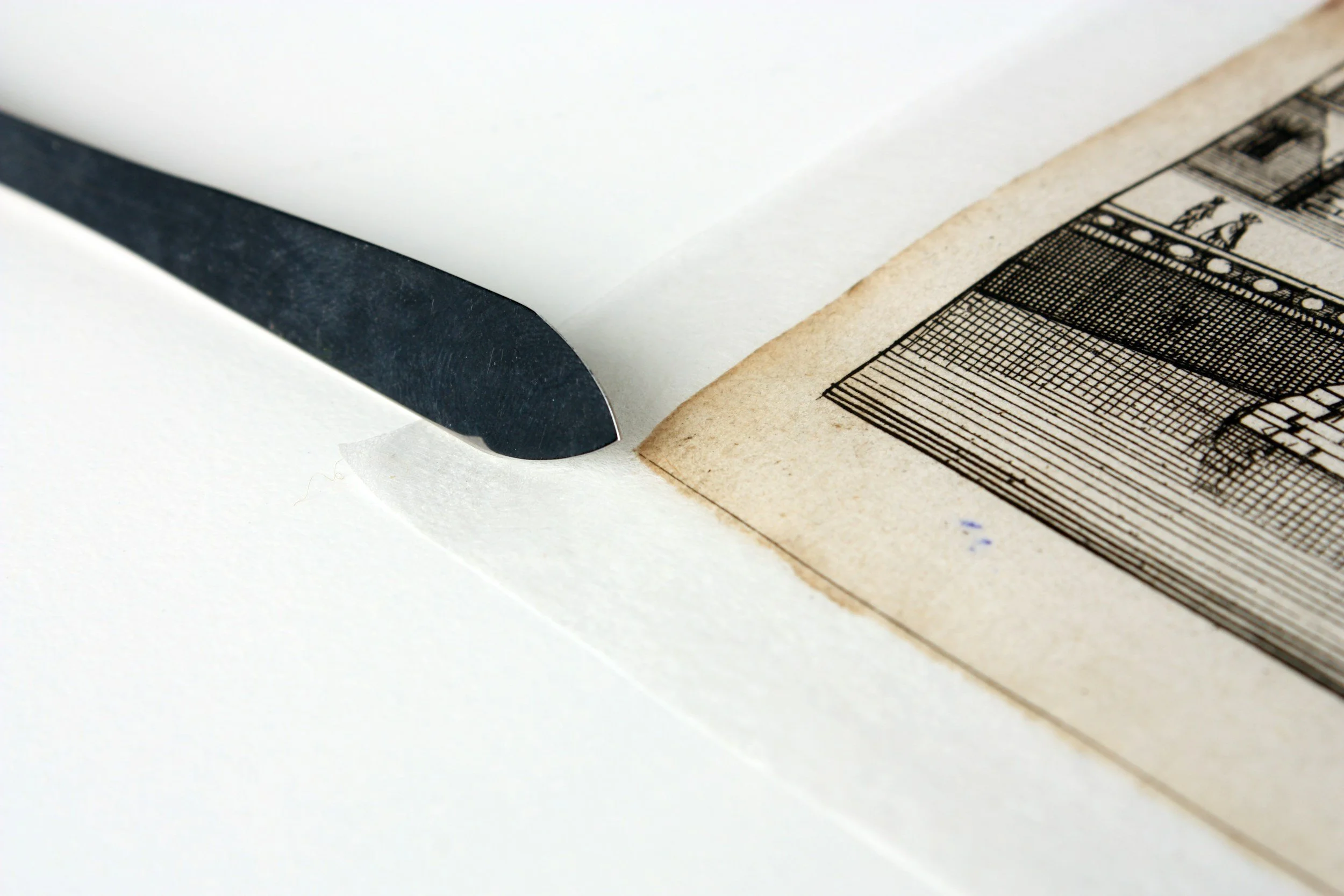
A physical inspection, by contrast, allows the appraiser to examine the work directly. This provides access to information that is difficult or impossible to obtain through photographs alone. Surface condition, structural integrity and material characteristics can be assessed with greater confidence when the object is physically present. In many cases, the back of a work contains crucial information that influences valuation. Labels, gallery stamps, inscriptions, and old inventory numbers may provide evidence of provenance or exhibition history. The construction of the support, the presence of earlier framing elements and signs of past conservation treatment can also be examined more closely during an inspection. Physical inspections are particularly important when the valuation has legal or financial consequences that require a higher level of certainty. Probate valuations, charitable donation appraisals and certain insurance claims often fall into this category. When a valuation may be relied upon by multiple parties or used in a regulatory context, the additional level of verification provided by direct examination becomes essential.
Condition-sensitive works also benefit from physical inspection. Paintings with complex restoration histories, sculptures with delicate surfaces, or works on paper that may have experienced light damage or structural deterioration require careful observation. These factors can have a measurable impact on value and they are not always evident from documentation alone.The question of authenticity can also make a physical inspection necessary. While attribution is often supported by documentary evidence and art historical research, direct examination allows the valuer to consider material and stylistic characteristics more closely. In some cases, further technical analysis may be recommended, but the initial inspection provides the basis for determining whether such steps are warranted. Another consideration is scale and complexity. Large collections or installations sometimes contain works that have not been documented systematically. A site visit allows the valuer to review the collection in its entirety, identify objects that require further research and ensure that the documentation accurately reflects the works present.
In practice, many valuation projects combine both approaches. A desktop review may be carried out initially to establish a broad overview of a collection. Selected works can then be examined in person where the value, condition, or documentation justifies closer attention. This staged approach allows the process to remain efficient while still addressing the areas where direct inspection is most important. Within professional practice, the distinction between desktop valuations and physical inspections is therefore less about hierarchy than about suitability. Each method reflects a different balance between efficiency and evidentiary depth. By selecting the appropriate approach for the task at hand, appraisers can provide assessments that are both practical and appropriately grounded in the available information.